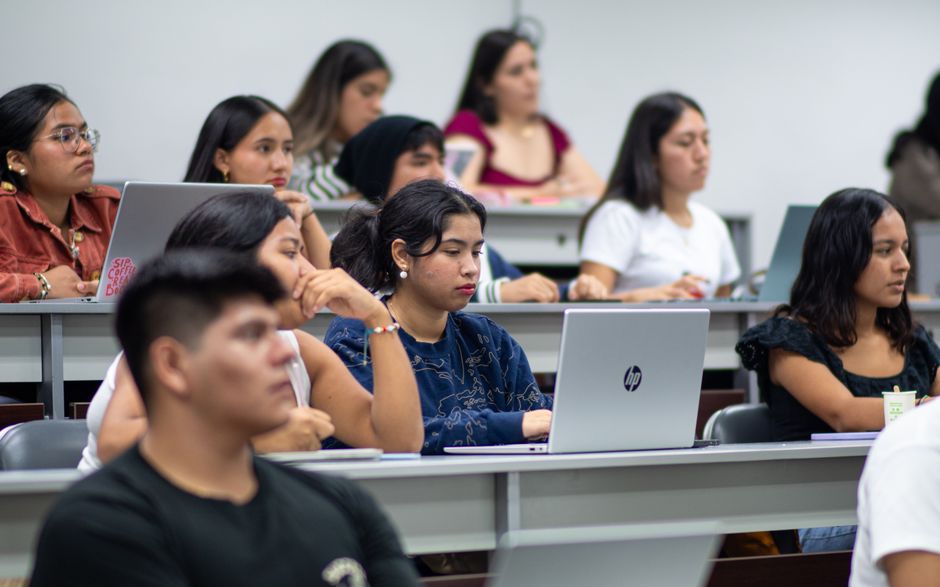
The best Khan Academy alternative when you need a live tutor is not another video library. It is a service that connects you with a real person who can see where you are stuck and respond to your specific question. Khan Academy is a strong free resource for learning material on your own, but it has no live one-on-one tutor. The practical choice comes down to two paths: free self-study platforms that go deeper into content, and paid live tutoring that answers the question Khan Academy cannot.
Table of Contents
- Why do students look for a Khan Academy alternative in the first place?
- Which free Khan Academy alternatives are worth trying first?
- What are the best paid Khan Academy alternatives for structured courses?
- Which alternatives actually give you a live person to talk to?
- How does Our Easy Game fit if you want on-demand live tutoring?
- How should you choose between a free platform and a paid live tutor?
- What do the alternatives not solve, and where does tutoring research fit?
- Key Takeaways
- References
Why do students look for a Khan Academy alternative in the first place?
Students look for a Khan Academy alternative because the platform is free and well organized, but it is self-paced video and practice with no live person to ask when an explanation does not land. The content is there. The missing piece is the moment when a student watches the same video twice, tries the practice problem again, and still cannot see where the reasoning went wrong.
The common failure point is not missing content. It is getting stuck on one step and having nowhere to take the question, especially late at night before a deadline. A video cannot tell you why your derivative came out wrong. A practice set cannot ask what you were thinking when you chose that first step.

That creates two different needs. Some students want more or different content, and free platforms cover that well. Other students want a human to work through a problem with them, and that requires paid live tutoring. The two needs are not interchangeable, and choosing the wrong format wastes time.
The reader's level matters here. A high school student stuck on AP Calculus prep needs someone who can explain the concept and watch them attempt a problem. A graduate student stuck on a methods chapter needs a subject specialist who can discuss why a particular approach fits the research question. According to Ask Maeve, the alternatives split along exactly this line: content platforms versus human help.
Which free Khan Academy alternatives are worth trying first?
Free alternatives are worth trying first when the problem is that you need another explanation of the same material, not a person to talk to. OpenStax and MIT OpenCourseWare are the strongest starting points. OpenStax offers free peer-reviewed textbooks with practice problems, and MIT OpenCourseWare publishes actual course materials from MIT classes, including lecture notes, assignments, and exams.
CK-12 is another free option, built around practice and content with some interactive elements. It works well for high school subjects where a student needs more reps on a specific skill. edX allows free auditing across more than 3,000 courses, according to Ask Maeve, with paid certificates optional.
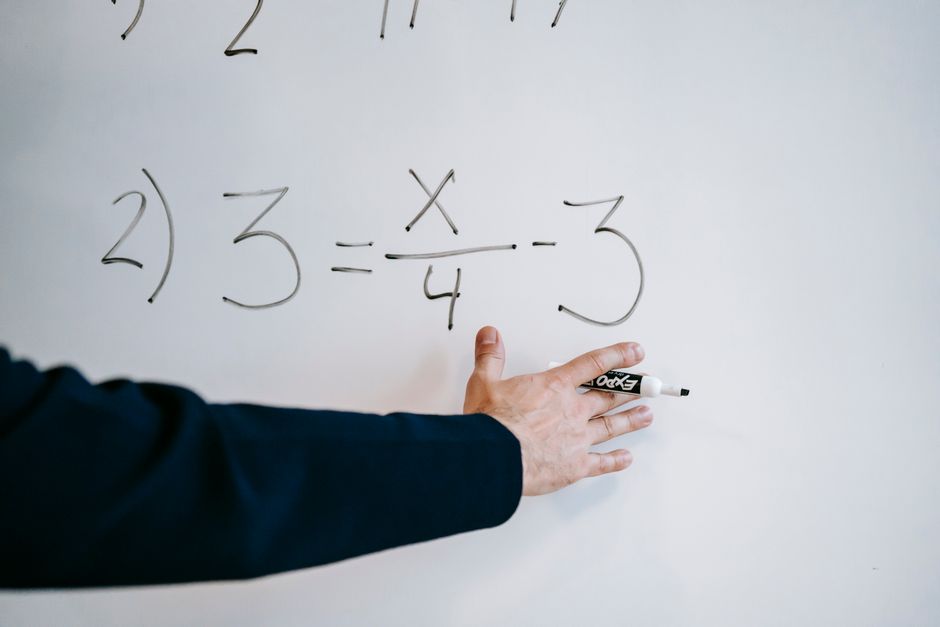
Coursera also allows auditing of lectures in many courses, but the graded assignments, feedback, and certificates are usually paid. That means Coursera can work as a free content source, but it does not give you a live person to ask.
The honest limit is that every free platform shares Khan Academy's core gap. No free platform in this group gives you a live tutor. The stuck moment, the one where you need to ask a question and hear an answer tailored to your mistake, is still unsolved. According to Brighterly, free alternatives help with content coverage but do not replace human instruction.
What are the best paid Khan Academy alternatives for structured courses?
Coursera is the best paid alternative when the goal is progression through a sequence with assignments, deadlines, and credentials rather than standalone lessons. The structure matters. A student who needs to complete a full course with graded work and a certificate will find that Coursera's format fits better than Khan Academy's open library.
Brilliant works differently. It uses short, interactive problem paths rather than lecture-first teaching, which suits students who learn by doing small challenges. According to Ask Maeve, Brilliant is premium-first, so budget matters more than with Khan Academy, OpenStax, or MIT OpenCourseWare.
Cool Math Guy offers self-paced math courses taught by Dana Mosely, including College Algebra, Precalculus, and Calculus I. According to Cool Math Guy, Mosely has taught as the primary video math instructor for the college divisions of D.C. Heath, Houghton Mifflin, and Cengage. That makes the service a reasonable fit for adults and college students who want a consistent instructor across a math sequence.
MathHelp runs around $8.25 per month on a 12-month commitment, and IXL starts from $9.95 per month for practice-heavy use, according to Brighterly. Both are cheaper than live tutoring, but neither gives you a person to ask when the explanation does not land.
Which alternatives actually give you a live person to talk to?
Tutor.com is the most direct answer, listed from $39.99 per month according to Brighterly. It connects students with tutors for live sessions, which is the format that actually solves the stuck moment. Learn to Be offers free volunteer one-on-one lessons, which is worth knowing about for families on a tight budget, though availability and tutor experience vary.
Kumon is another live-help option, running roughly $140 to $200 per month depending on center location, according to Brighterly. Kumon is in-person and worksheet driven, which suits younger students who need consistent practice habits but fits less well for a high school junior who needs help with one AP Physics concept tonight.
Before paying for any live option, check two things. First, whether the tutor has taught your level and course recently. A tutor who worked through AP Calculus with students last semester is a safer bet than someone who studied the math years ago. Second, whether you can pay as you go rather than in a large prepaid package.
The real question is fit and format, not brand. A live session that does not help still costs money and time, so the cheapest live option is not automatically the best value.
How does Our Easy Game fit if you want on-demand live tutoring?
Our Easy Game is one live-tutoring option among several, not the default answer for every student. It fits when the problem is a specific stuck point under deadline pressure and the student needs a person at an odd hour. The service runs through an app for iPhone and Android, and students post a request, then compare tutor offers, ratings, and prices before choosing.
The tutor pool covers more than 100 subjects, which matters for graduate students who need a specialist rather than a generalist. Sessions are bookable at any hour through the Our Easy Game app, which is what makes late night and weekend help possible.
Exam preparation is built around the student's own released tests, past assignments, and error patterns rather than a generic syllabus run-through. That structure works best when the problem is pacing or careless mistakes rather than missing content. For a subject studied across a semester, personalized learning plans adjust as the student improves instead of following a fixed curriculum.
The academic integrity line is plain. Tutors work through problems step by step so the student can do the next one alone. They do not hand back a finished answer. Our Easy Game also publishes a conditional money-back refund policy, with terms depending on notice given before a session and on the outcome. The policy is a published condition, not a promise of any grade or result.
How should you choose between a free platform and a paid live tutor?
Match the tool to the problem. If you are missing content or need a different explanation of the same material, free platforms like Khan Academy, OpenStax, MIT OpenCourseWare, and edX auditing are the right starting point. If you are stuck on one specific step under a deadline, a paid live session is the format that actually helps.
The price spread is wide. Free tiers exist at Khan Academy, OpenStax, MIT OpenCourseWare, and edX auditing. Paid options run from roughly $8 to $40 per month for structured or live services, and Kumon sits at $140 to $200 per month, according to Brighterly. The right question is not which is cheapest, but which format fixes the actual problem.
Treat the cheapest option with suspicion when sessions do not help. An unhelpful session still costs money and time, and a free video that does not answer your question still costs the hour you spent watching it. Value comes from fit, not from the price tag alone.
Give any option a defined trial, then judge deliberately. After a few sessions or a few weeks of a platform, you should be able to name something specific you can now do that you could not before. If you cannot name that thing, the format is probably wrong for the problem, and changing tools is not a failure.
What do the alternatives not solve, and where does tutoring research fit?
No source provides independent, verifiable outcome data comparing Khan Academy with these alternatives, so any ranking should be treated with caution. The available comparisons describe features, formats, and prices. They do not prove that one platform produces better learning outcomes than another for a given student.
A 2026 PNAS study cited by Brighterly found that structured tutoring interventions can produce measurable gains in academic performance. That finding speaks to the tutoring format rather than any single brand. It suggests that a structured human interaction has value, not that one tutoring company outperforms another.
There are also gaps in the comparison landscape. Khan Academy Kids alternatives and teacher-focused alternatives are not well covered by available sources, according to Ask Maeve. Saying so directly is more useful than guessing.
The practical rule is simple. Pick the format that fixes your actual problem, then pick the provider. A student who needs content should start with free platforms. A student who needs a person should look at live tutoring options and judge them by fit, not by brand loyalty.
Key Takeaways
- Khan Academy is free and well organized but offers no live one-on-one tutor, so it cannot answer a question in the moment a student gets stuck.
- Free alternatives such as OpenStax, MIT OpenCourseWare, CK-12, and edX auditing add content and practice but share that same limit.
- Coursera suits students who want course sequences, assignments, deadlines, and credentials, and its graded work and certificates are usually paid even when lectures can be audited.
- Brilliant is premium-first and interactive, while Cool Math Guy offers self-paced math courses taught by Dana Mosely, including College Algebra, Precalculus, and Calculus I.
- Live-help options include Tutor.com from $39.99 per month, free volunteer lessons through Learn to Be, and Kumon at roughly $140 to $200 per month depending on center location.
- Our Easy Game is an app-based live tutoring option where students post a request and compare tutor offers, ratings, and prices before choosing, with sessions available at any hour.
- A 2026 PNAS study cited by Brighterly found structured tutoring interventions can produce measurable gains in academic performance, which supports tutoring format over brand loyalty.
References
- 10 Top Sites Like Khan Academy (2026) — Ask Maeve, May 11, 2026
- Vaia: The Khan Academy Alternative to Level Up Your Studies! — Vaia, July 7, 2022 (last modified July 26, 2023)
- Khan Academy Alternatives: Better Options for Adults and College Math — Cool Math Guy, date unknown
- Top 13 Khan Academy Alternatives in 2026 — Brighterly, August 31, 2026